

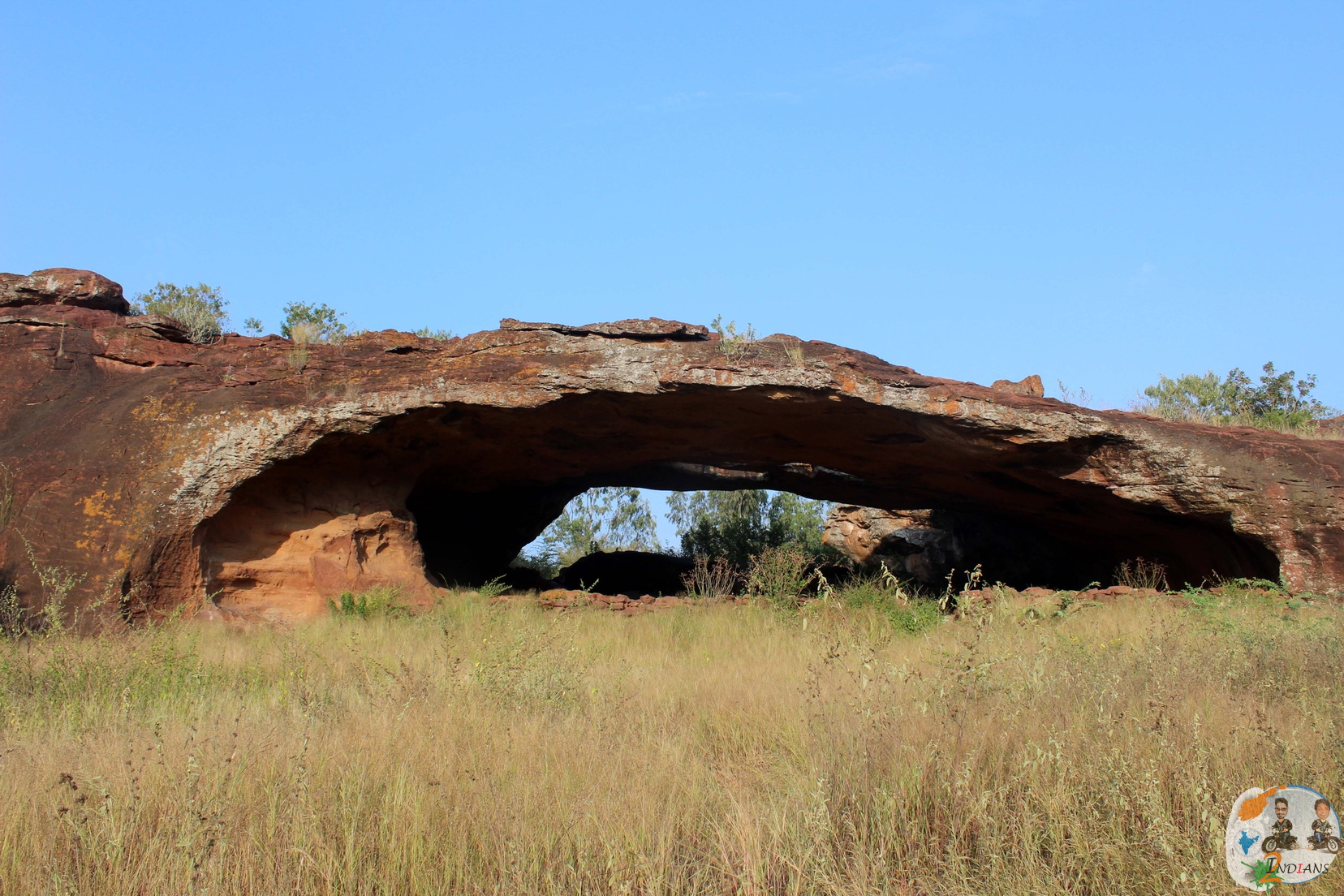
Introduction to Sidlaphadi Caves
The Sidlaphadi Caves, located near Badami in the Bagalkot district of Karnataka, are a remarkable group of ancient rock-cut caves that showcase early Indian architecture. Dating back to the 6th century, these caves are primarily associated with the Early Chalukyan dynasty and are known for their intricate carvings, unique architecture, and significant historical importance.
Historical Significance
Badami, once the capital of the Chalukya dynasty, is a prominent historical site that played a vital role in the development of rock-cut architecture in India. The Sidlaphadi Caves were carved during the reign of Pulakeshin I and later rulers, reflecting the artistic and cultural advancements of the time. The caves are believed to have served as monastic retreats and places of worship, showcasing the influence of both Brahmanical and Jain traditions.
Architectural Highlights
The Sidlaphadi Caves consist of several rock-cut caves that exhibit a mix of architectural styles. Key features include:
- Cave 1: The most prominent cave, known for its intricate sculptures and carvings of deities, including representations of Shiva. The façade of this cave is adorned with pillars and detailed carvings, showcasing the craftsmanship of the artisans of that era.
- Cave 2: This cave features a shrine dedicated to Ganesha, along with depictions of other Hindu deities. The architecture includes a rectangular hall with a sanctum, highlighting the temple-like layout typical of early rock-cut caves.
- Cave 3: This cave is notable for its spacious hall and pillars, with carvings that depict various motifs, including lotus flowers and intricate designs, showcasing the artistic skills of the sculptors.
- Cave 4: The smallest of the caves, it features simple interiors but is significant for its historical context and structural integrity.
The intricate carvings and architectural elements found in the Sidlaphadi Caves reflect the transition from Buddhist cave architecture to Hindu cave temples, illustrating the evolution of Indian rock-cut architecture.
Cultural Significance
The Sidlaphadi Caves are not only architectural wonders but also serve as a testament to the religious diversity and cultural richness of ancient India. The presence of both Hindu and Jain motifs indicates a period of harmonious coexistence among different faiths during the Chalukyan era. These caves also provide insight into the monastic life of ancient Indian ascetics and the role of cave temples in religious practices.
Visiting the Sidlaphadi Caves
The Sidlaphadi Caves are a popular destination for tourists, historians, and architecture enthusiasts exploring Badami’s rich heritage.
Location: Sidlaphadi, near Badami, Karnataka
Timings: Open daily from sunrise to sunset
Entry Fee: Minimal fee for entry (check for updates)
Best Time to Visit: October to March, when the weather is cooler and more pleasant for exploration
Nearby Attractions
- Badami Caves: Another group of significant rock-cut caves featuring stunning carvings and temples.
- Agastya Lake: A picturesque lake located near Badami, ideal for relaxing and enjoying the scenic views.
- Bhutanatha Temple: An ancient temple complex situated near the lake, known for its exquisite architecture.
- Mahakuta Temples: A group of temples dedicated to Shiva, showcasing early Chalukyan architecture.
Tips for Visitors
- Footwear: Wear comfortable footwear as exploring the caves involves climbing and walking on uneven terrain.
- Guided Tours: Consider hiring a local guide to learn more about the history and significance of the caves and surrounding areas.
- Photography: Photography is generally allowed, but check for any restrictions regarding flash or tripods in specific areas.