

Introduction to Nalanda University Ruins
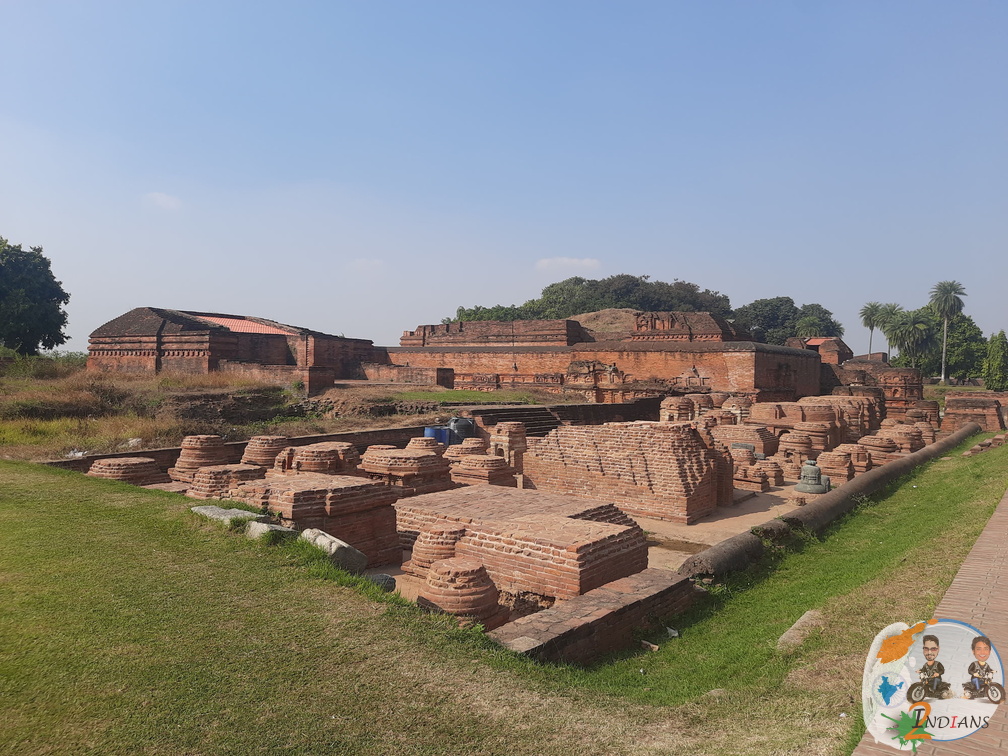
The Nalanda University Ruins are the remains of an ancient learning center, recognized as one of the oldest universities in the world. Located in the state of Bihar, India, this UNESCO World Heritage Site represents the pinnacle of academic excellence and Buddhist teachings from the 5th to the 12th century CE. Nalanda attracted scholars from across Asia, with a vast curriculum covering subjects such as philosophy, astronomy, medicine, and grammar.
History of Nalanda University
Nalanda was founded in the 5th century by Gupta emperor Kumaragupta I and continued to thrive under subsequent rulers, including Harshavardhana and the Pala kings. As a major center of Buddhist learning, it housed thousands of students and teachers, offering education not only in Buddhist doctrines but also in other disciplines such as logic, mathematics, and medicine.
The university’s influence extended far beyond India, attracting students and teachers from Tibet, China, Korea, Japan, and Central Asia. The Chinese traveler Xuanzang visited Nalanda in the 7th century and left detailed records of its academic environment, library collections, and daily routines.
Architecture and Layout
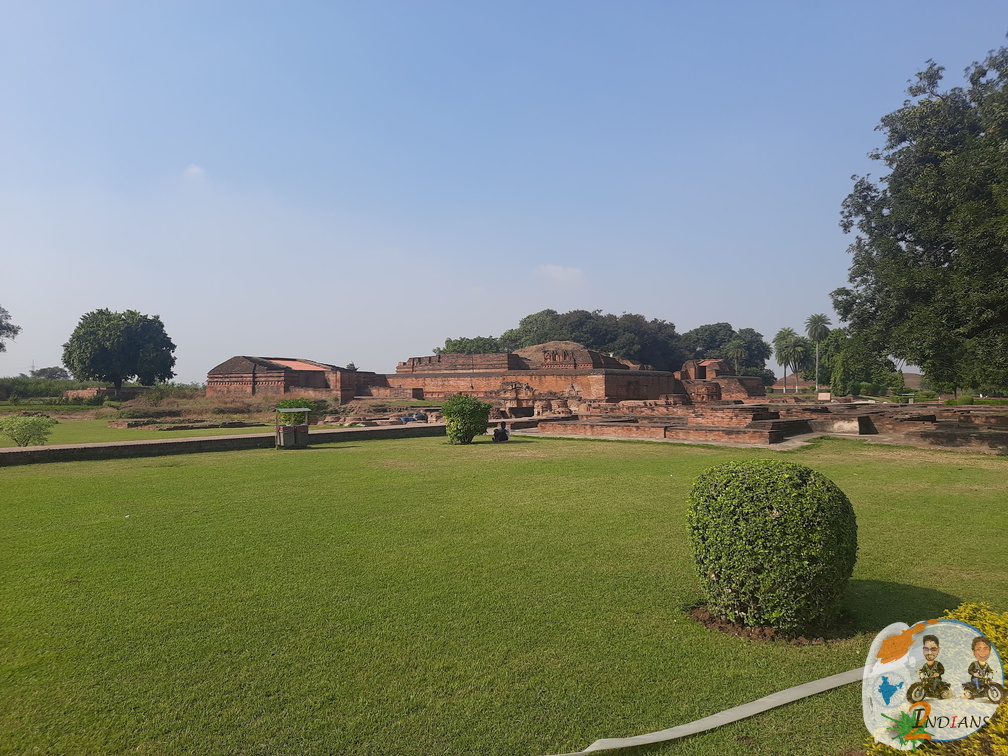
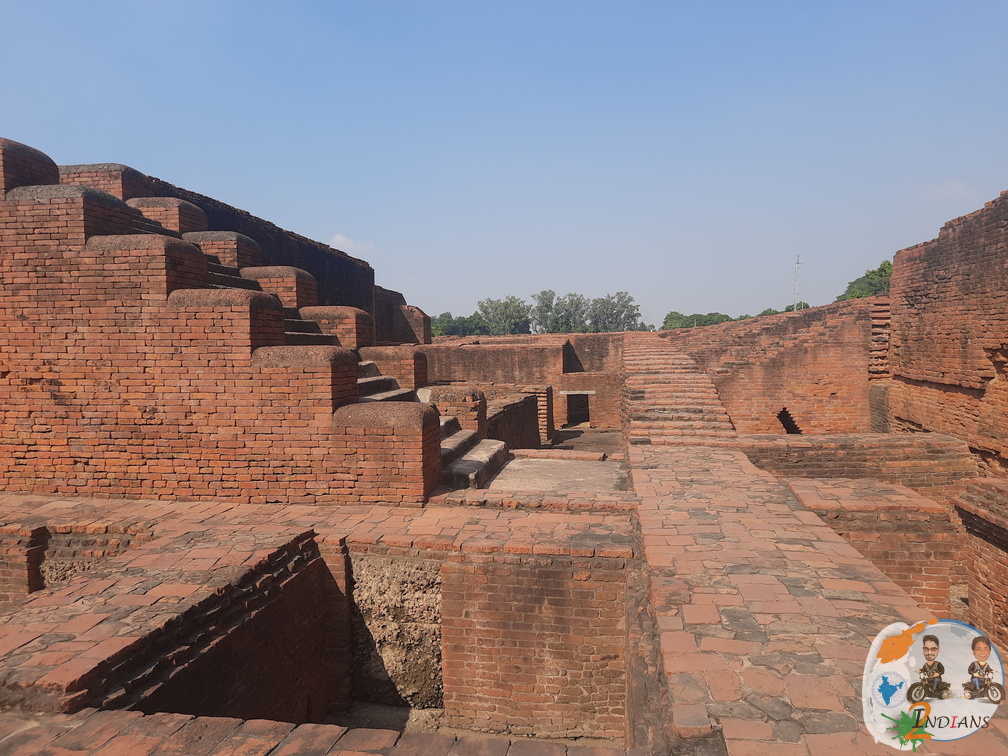
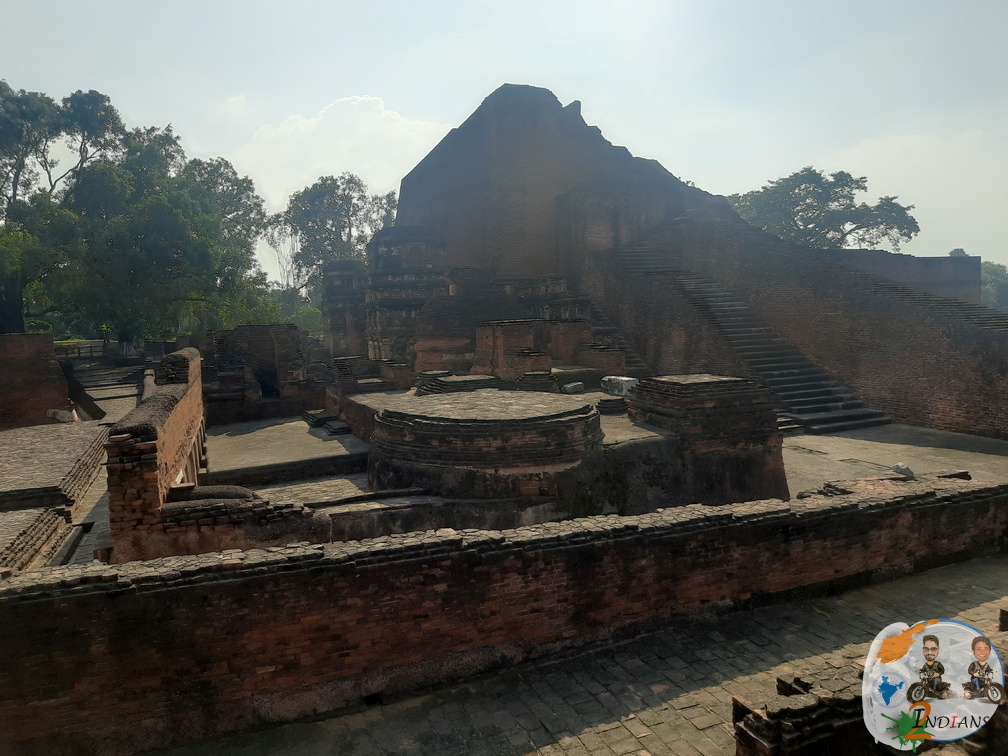
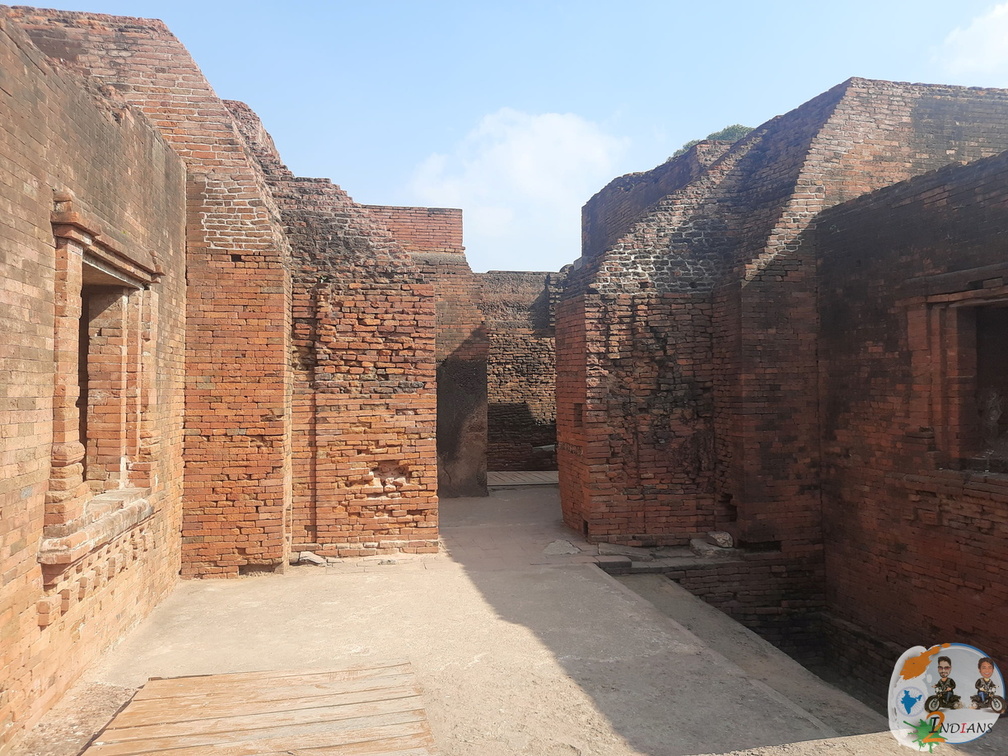
The Nalanda ruins are spread over 14 hectares and showcase impressive architectural achievements, including stupas, viharas (monasteries), temples, and lecture halls. The site is a testament to the advanced urban planning and construction techniques of ancient India. The main complex comprises multiple monasteries and temples, each adorned with intricately carved sculptures and stupas. Some of the highlights include:
- Sariputta Stupa: This towering structure is dedicated to Sariputta, one of Buddha’s chief disciples. It is adorned with intricate stone carvings and surrounded by smaller votive stupas.
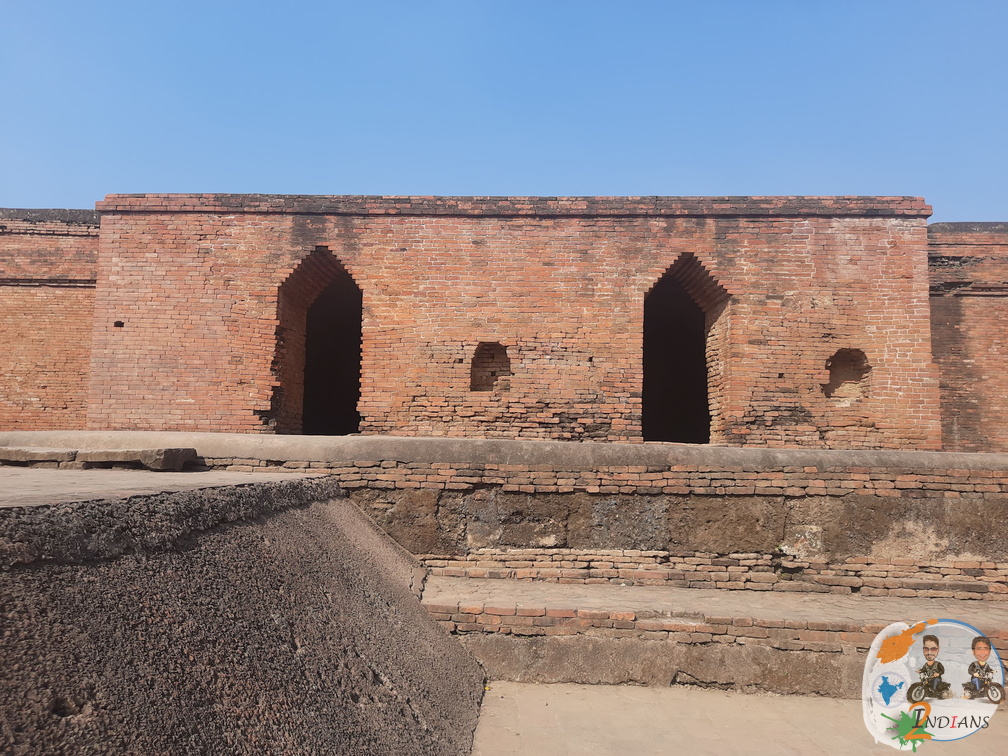
- Viharas: These were residential and learning quarters for monks, featuring multi-storied buildings with well-planned courtyards.
- Library Complex: Nalanda was home to one of the largest libraries of the ancient world, comprising three multi-storied buildings filled with manuscripts and scholarly texts.
Destruction and Decline
Nalanda University met its tragic end in the 12th century when it was attacked and destroyed by Turkish general Bakhtiyar Khilji. The library was set on fire, and many of its priceless manuscripts were lost. Over the centuries, the site was forgotten and fell into ruin until it was rediscovered in the 19th century by archaeologists.
Excavation and Preservation
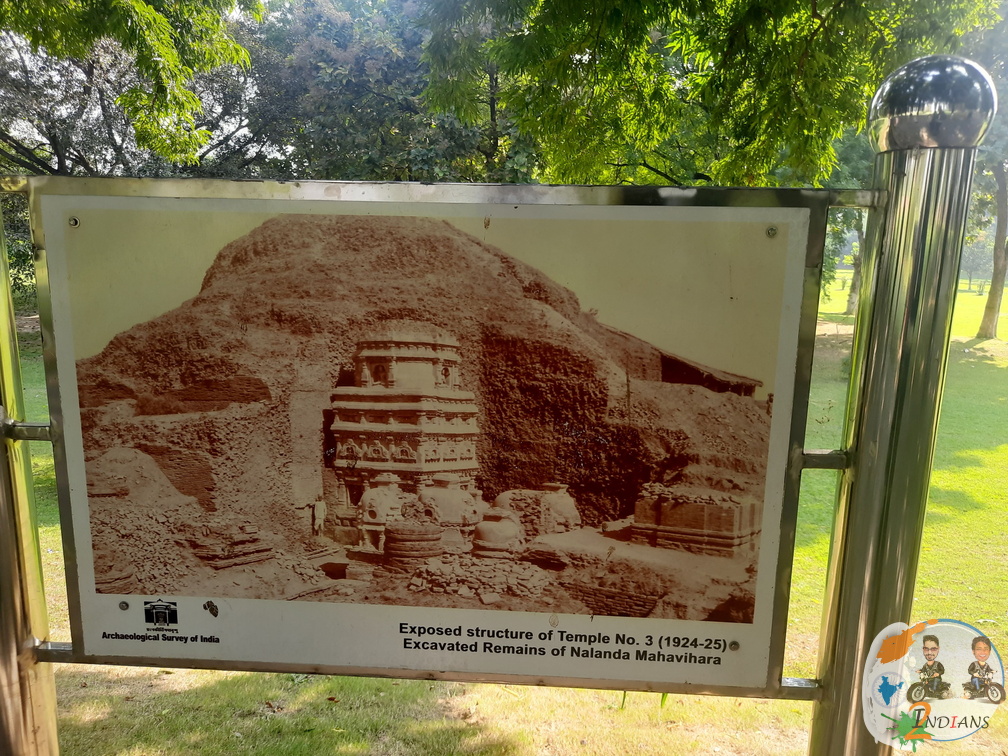
Archaeological excavations at Nalanda began in 1915, revealing the grandeur of the ancient university. Today, the ruins are a significant site for scholars, historians, and tourists alike. Preservation efforts have been undertaken to protect the site, and it was declared a UNESCO World Heritage Site in 2016.
UNESCO World Heritage Status
In 2016, the Nalanda Mahavihara (Nalanda University) was recognized as a UNESCO World Heritage Site for its exceptional contributions to human history and its role as a global center of knowledge. The university’s ruins symbolize the rich cultural and academic legacy of ancient India and Buddhism.
Visiting Nalanda University Ruins
Visitors to the Nalanda University Ruins can explore the sprawling campus, which is now an archaeological park managed by the Archaeological Survey of India. A museum adjacent to the site displays artifacts recovered during excavations, including sculptures, inscriptions, and bronze statues.
Timings: Open from 9:00 AM to 5:00 PM
Location: Nalanda District, Bihar, India
Best Time to Visit: October to March