

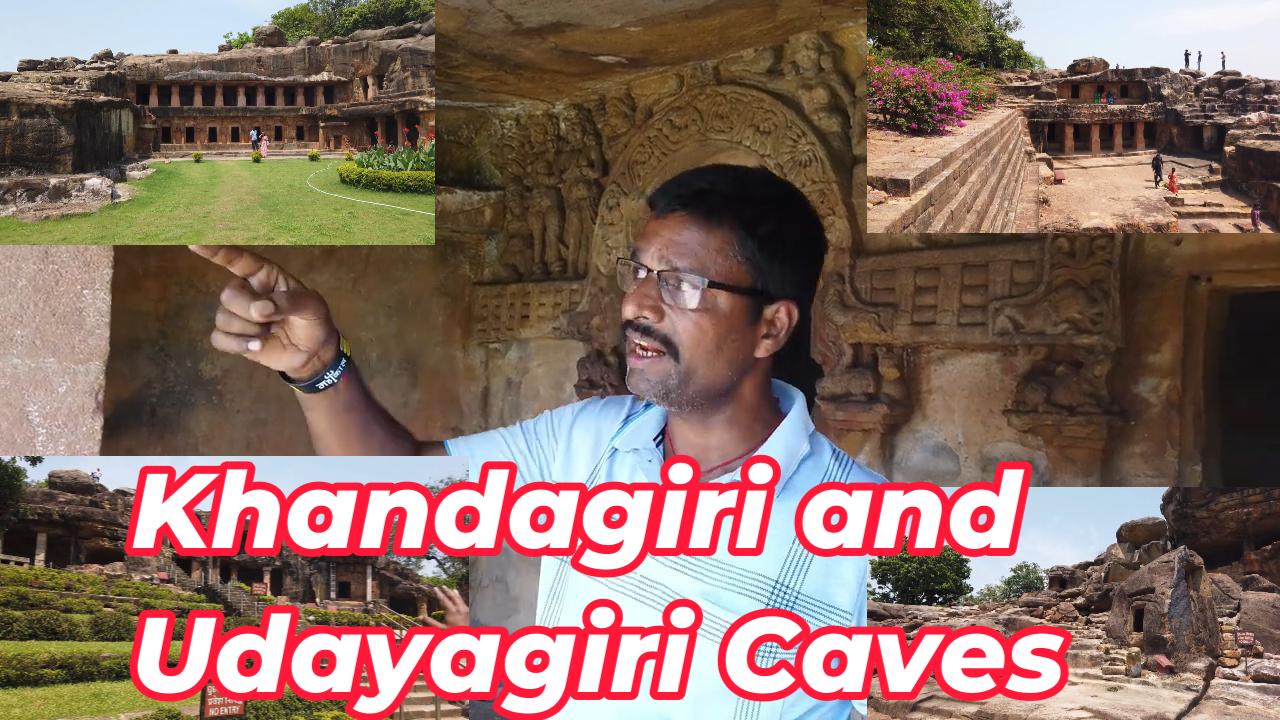
Introduction to Khandagiri and Udayagiri Caves
The Khandagiri and Udayagiri Caves, located near Bhubaneswar, Odisha, are ancient rock-cut caves that date back to the 1st century BCE. These caves, which were carved during the reign of King Kharavela of the Mahameghavahana dynasty, served as a residence for Jain monks. Known for their historical significance and unique architectural features, the caves offer insights into the early development of Jainism in eastern India.
Historical Significance
Commissioned by King Kharavela, the Khandagiri and Udayagiri caves were primarily built for Jain monks who practiced meditation and followed strict monastic traditions. The inscriptions found in some of the caves detail Kharavela’s achievements and the political and cultural context of his reign. The caves serve as some of the oldest examples of rock-cut architecture in India and highlight the ancient connections between Jainism and Odisha.
Architectural Features
The Khandagiri and Udayagiri caves are known for their intricate carvings, inscriptions, and rock-cut designs. Some of the key caves include:
- Rani Gumpha (Queen’s Cave): The largest and most elaborately decorated cave, Rani Gumpha has double-story chambers with intricately carved friezes that depict court scenes, hunting scenes, and dancers. The decorative reliefs on the walls are a blend of mythological, religious, and royal themes.
- Hathi Gumpha (Elephant Cave): Located on Udayagiri hill, Hathi Gumpha features an inscription that records King Kharavela’s achievements and victories. This inscription, carved in ancient Brahmi script, is one of the most important sources of historical information about Kharavela’s reign.
- Ganesh Gumpha: This cave is noted for its carved entrance and reliefs of elephants. Inside, a sculpture of Lord Ganesha, after whom the cave is named, can be seen.
- Jaya Vijaya Gumpha: This cave is smaller but notable for its beautiful carvings and the intricate design of its pillars and arches.
- Tatowa Gumpha: Known for its bird carvings at the entrance, this cave also houses sculptures depicting Jain Tirthankaras.
Visiting the Khandagiri and Udayagiri Caves
The Khandagiri and Udayagiri Caves attract both tourists and devotees interested in ancient architecture and Jain history.
Location: Located about 8 kilometers from Bhubaneswar, Odisha.
Timings: Open daily from 9:00 AM to 6:00 PM
Entry Fee: Minimal entry fee for Indian and foreign tourists (check for updates)
Best Time to Visit: October to March, when the weather is cool and suitable for exploration.
Getting There
- By Road: The caves are well-connected by road and easily accessible from Bhubaneswar via public and private transportation.
- By Train: The nearest railway station is Bhubaneswar Railway Station, with connections to major cities in India.
- By Air: The nearest airport is Biju Patnaik International Airport, located in Bhubaneswar, which has domestic and international flights.
Nearby Attractions
- Lingaraj Temple: A historic Hindu temple dedicated to Lord Shiva, one of the most popular attractions in Bhubaneswar.
- Dhauli Shanti Stupa: A famous Buddhist peace pagoda located on Dhauli Hill, which also holds inscriptions from Emperor Ashoka.
- Nandankanan Zoological Park: A renowned zoo and botanical garden, ideal for family outings and nature lovers.
Visitor Tips
- Clothing: Wear comfortable clothes and footwear, as the caves involve some climbing and walking on uneven surfaces.
- Photography: Photography is allowed, so don’t miss capturing the intricate carvings and scenic views from the hilltop.
- Guided Tours: Hiring a guide is recommended for a more enriched experience and to understand the historical context of each cave.