

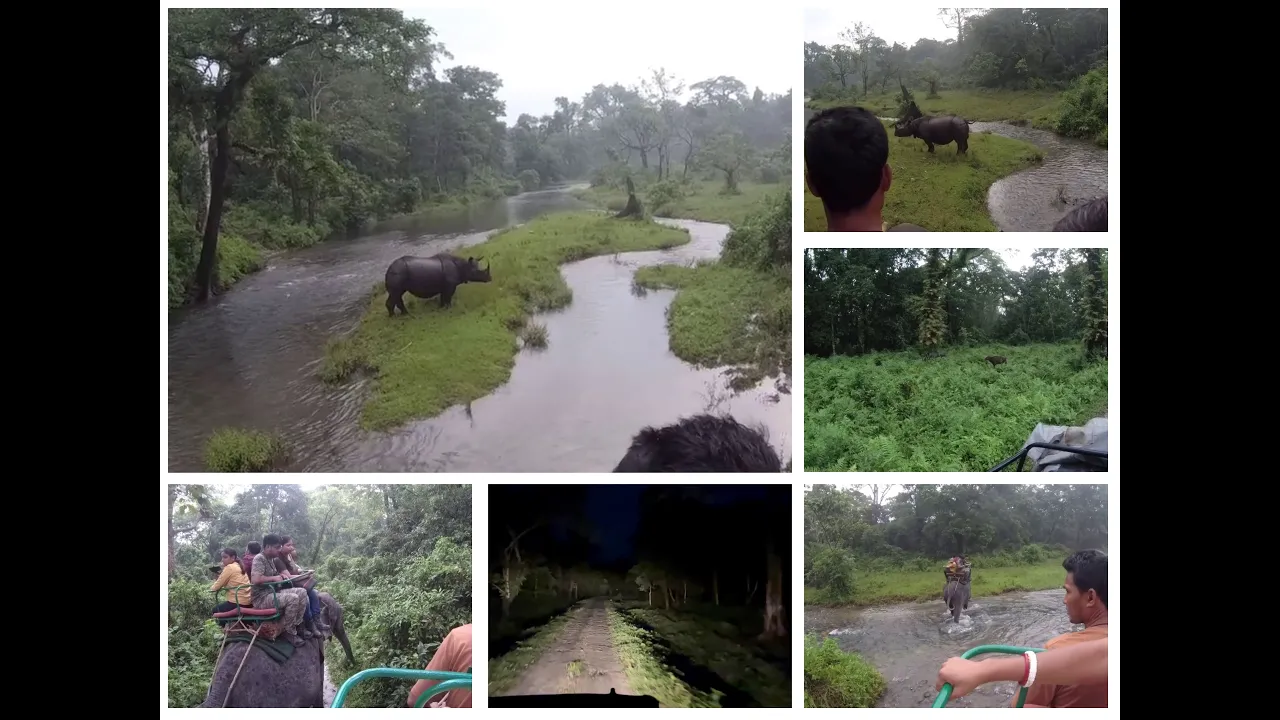
Nestled in the foothills of the Eastern Himalayas in Alipurduar District, Jaldapara National Park is a wildlife enthusiast’s paradise. Spanning over 216 sq. km, the park is renowned for its population of the Indian one-horned rhinoceros and its rich biodiversity. Located on the banks of the Torsa River, this lush park offers thrilling safari experiences and is a haven for birdwatchers, nature lovers, and adventure seekers.
History and Significance
- Establishment:
- Initially declared as Jaldapara Wildlife Sanctuary in 1941, it was upgraded to a National Park in 2012 to protect the critically endangered Indian one-horned rhinoceros.
- Ecological Importance:
- Jaldapara serves as a vital corridor for wildlife in the Himalayan foothills and is a key area for conservation efforts in West Bengal.
Wildlife in Jaldapara National Park
- Fauna:
- Mammals: Indian one-horned rhinoceros, elephants, Indian bison (gaur), leopards, wild boars, spotted deer, and hog deer.
- Birds: Crested eagle, Bengal florican, hornbills, partridges, and peacocks.
- Reptiles: Indian python, monitor lizards, and various snake species.
- Flora:
- The park is characterized by tall elephant grass, dense forests, and riparian vegetation, making it an ideal habitat for diverse wildlife.
Safari Experience
- Jeep Safari:
- Explore the park’s wilderness in an open jeep with expert guides.
- Timings: Morning (6:00 AM – 9:00 AM) and Evening (3:00 PM – 5:00 PM).
- Booking: Can be done online or at the forest office.
- Elephant Safari:
- Experience the thrill of riding on an elephant’s back while spotting wildlife.
- Timings: Morning only (6:00 AM – 7:30 AM).
- Best Spots:
- Moyar Point and Harindanga Watchtower are excellent for spotting rhinos and elephants.
Visitor Information
- Location: Alipurduar District, West Bengal, near Madarihat.
- Timings: 6:00 AM – 6:00 PM (Closed during monsoons from mid-June to mid-September).
- Entry Fee:
- Adults: ₹100
- Safari Charges: ₹200 – ₹300 (varies by type).
Best Time to Visit
The ideal time to visit Jaldapara is from October to May, with winter and spring offering the best chances to spot wildlife.
How to Reach Jaldapara National Park
- By Air:
- The nearest airport is Bagdogra Airport (about 140 km away).
- By Train:
- The nearest railway station is Madarihat Station, just 7 km from the park.
- Alternatively, New Jalpaiguri Railway Station is a major rail hub 130 km away.
- By Road:
- The park is well-connected by road and can be accessed from Siliguri (120 km), Alipurduar (50 km), and nearby towns.
Accommodation Options
- Jaldapara Tourist Lodge:
- Located near the park entrance, this is an ideal base for your visit.
- Private Resorts:
- Numerous eco-resorts and hotels are available in Madarihat, catering to various budgets.
- Forest Bungalows:
- Managed by the Forest Department, these offer a more immersive experience.
Nearby Attractions
- Buxa Tiger Reserve: A neighboring reserve with diverse wildlife and scenic trekking trails.
- Chilapata Forest: Known for its dense forests and historical significance.
- Totopara Village: Home to the indigenous Toto tribe, providing a glimpse into their unique culture.
- Phuentsholing (Bhutan): A picturesque border town just 30 km away.
Tips for Visitors
- Carry Essentials:
- Binoculars, cameras, and insect repellents are must-haves.
- Follow Guidelines:
- Respect wildlife and adhere to park rules during safaris.
- Pre-Book:
- Accommodation and safaris can get fully booked during peak season, so plan ahead.
- Stay Hydrated:
- The park can get warm during the day, so carry water bottles.
Why Visit Jaldapara National Park?
Jaldapara National Park offers a rare opportunity to witness the majestic Indian one-horned rhinoceros in its natural habitat. The park’s serene environment, thrilling safaris, and abundant wildlife make it an unforgettable destination for nature lovers and adventure seekers.