

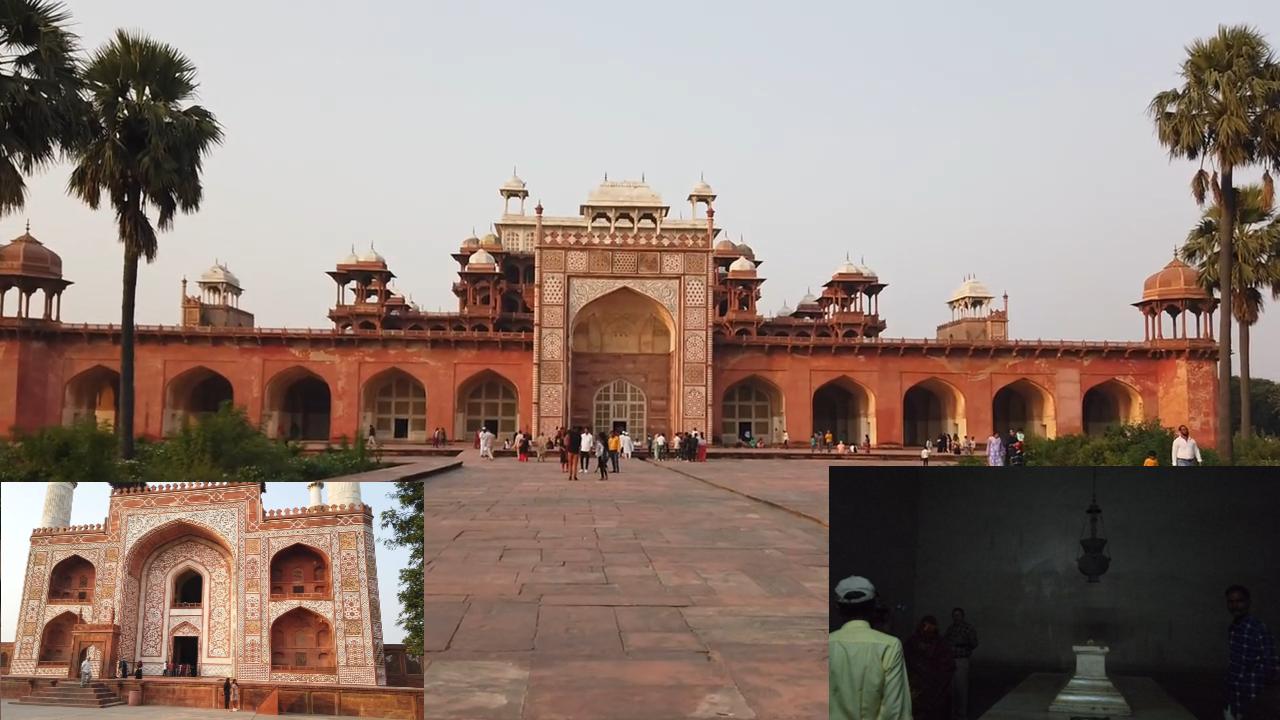
Introduction to Akbar’s Tomb
Akbar’s Tomb, located in Sikandra, near Agra, is the final resting place of Emperor Akbar, one of the greatest rulers of the Mughal Empire. Built during the late 16th century, this magnificent mausoleum is an epitome of Mughal architecture and reflects the grandeur and vision of Akbar, who was known for his policy of religious tolerance and cultural integration.
Historical Significance
Constructed between 1605 and 1613 by Akbar’s son, Jahangir, the tomb serves as a symbol of the emperor’s legacy. Akbar was a pioneer in establishing a syncretic culture that blended various religious and cultural elements. His tomb stands not only as a memorial to his reign but also as a testament to his vision of a united and harmonious society.
Architectural Features
The tomb is renowned for its stunning architecture, featuring a blend of Persian, Islamic, and Indian styles. Key elements include:
- Entrance Gateway (Darwaza): The impressive entrance is adorned with intricate marble and sandstone inlays, showcasing beautiful geometric patterns and calligraphy from the Quran.
- Main Mausoleum: The tomb itself is constructed from red sandstone, featuring white marble inlay work. The central chamber houses Akbar’s grave, which is surrounded by a beautifully carved marble screen.
- Gardens: The tomb is set within a vast, lush garden, symbolizing paradise in Mughal architecture. The garden is divided into four quadrants (charbagh), which is a traditional Persian style, with pathways and water channels.
- Pavilions: Beautifully designed pavilions surround the main structure, providing serene spots for reflection and admiration of the architecture.
- Decorative Elements: The interiors feature exquisite floral motifs, intricate tile work, and inscriptions, creating a serene and spiritual ambiance.
Visiting Akbar’s Tomb
Akbar’s Tomb is a popular tourist destination, attracting history enthusiasts and architecture lovers alike.
Location: Sikandra, Agra, Uttar Pradesh
Timings: Open daily from sunrise to sunset
Entry Fee: Minimal entry fee for Indian and foreign tourists (check for updates)
Best Time to Visit: October to March, when the weather is pleasant for exploration
Getting There
- By Road: Sikandra is well connected to Agra and nearby cities by road, with regular taxi and bus services available.
- By Train: The nearest railway station is Agra Cantt, with frequent trains connecting to major cities in India.
- By Air: The nearest airport is Agra Airport, which connects to various domestic destinations.
Nearby Attractions
- Fatehpur Sikri: A UNESCO World Heritage Site and former Mughal capital, known for its stunning architecture and rich history.
- Taj Mahal: The iconic symbol of love, located approximately 12 kilometers from Sikandra.
- Agra Fort: Another UNESCO World Heritage Site, showcasing impressive Mughal architecture and rich historical significance.
Visitor Tips
- Photography: Photography is allowed, but be respectful of the site and avoid flash photography inside the mausoleum.
- Dress Code: Modest clothing is recommended when visiting religious and historical sites.
- Guided Tours: Consider hiring a local guide to enrich your visit with historical context and insights.