

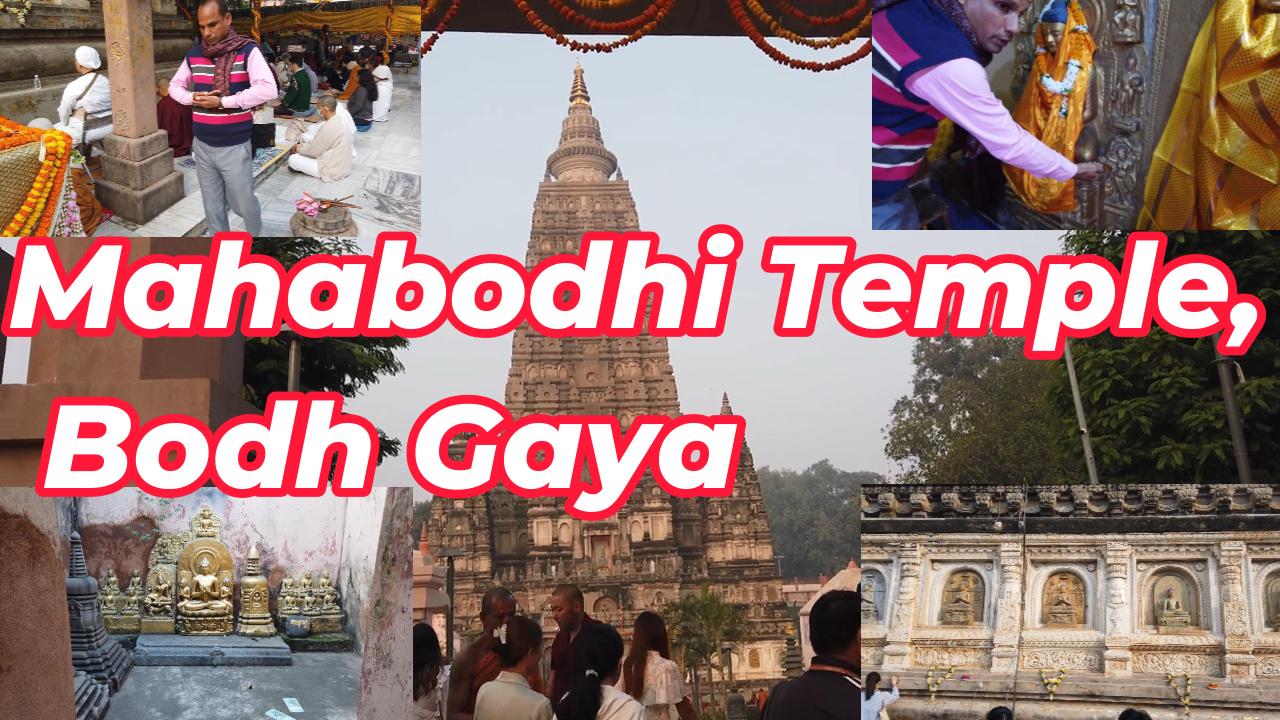
Introduction to the Mahabodhi Temple
The Mahabodhi Temple in Bodh Gaya, Bihar, is one of Buddhism’s holiest sites and is believed to be the place where Gautama Buddha attained enlightenment over 2,500 years ago. The temple complex, featuring the Bodhi Tree and iconic stupa, attracts pilgrims, monks, and spiritual seekers worldwide and is a UNESCO World Heritage Site, marking its global significance.
Historical Significance
The site’s significance dates back to the 3rd century BCE, when Emperor Ashoka built a shrine to commemorate Buddha’s enlightenment under the Bodhi Tree. The current temple structure, completed between the 5th and 6th centuries CE, is one of the earliest examples of Buddhist architecture in India. Today, the Mahabodhi Temple stands as a testament to ancient India’s rich heritage and the spread of Buddhism.
Architectural Features
- Main Temple Structure: The 55-meter stupa-like tower symbolizes spiritual ascent and stands over the area where Buddha meditated.
- Bodhi Tree: A direct descendant of the original tree, under which Buddha achieved enlightenment. Visitors gather here to meditate and pay homage.
- Lotus Pond: Believed to be the site where Buddha meditated and spent time reflecting.
- Vajrasana (Diamond Throne): The platform marking the exact location of Buddha’s meditation and enlightenment.
Pilgrimage Experience
The Mahabodhi Temple attracts thousands of pilgrims yearly, especially during Buddha Purnima. The complex is a meditative environment where visitors chant, meditate, and participate in Buddhist rituals. Monks from diverse Buddhist traditions add to the temple’s ambiance, making it a deeply spiritual experience.
Best Time to Visit: October to March
Location: Bodh Gaya, Bihar, India
Nearby Sites: Great Buddha Statue, Thai Monastery, Japanese Temple
UNESCO World Heritage Status
In 2002, the Mahabodhi Temple was designated a UNESCO World Heritage Site for its architectural and spiritual significance, ensuring its preservation as an enduring symbol of peace and enlightenment.