

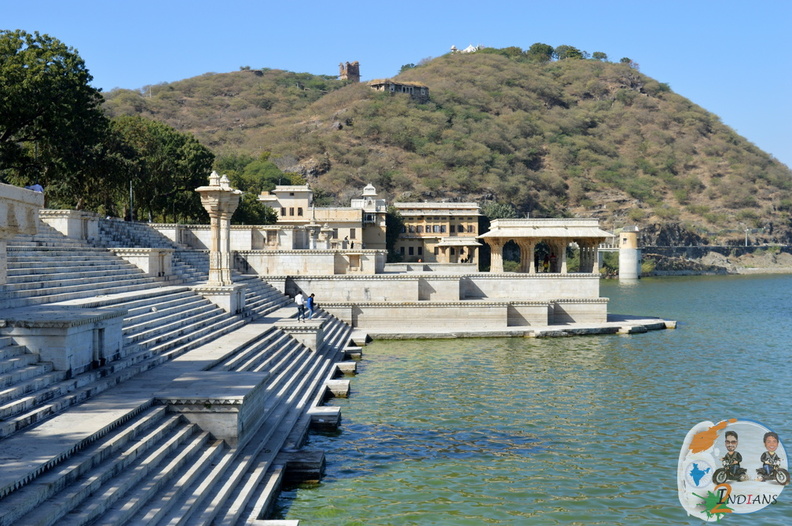
Rajsamand Lake, also known as Raja Samudra, is a magnificent artificial lake located in Rajsamand District, near Udaipur, Rajasthan. Built in 1660 by Maharana Raj Singh I, this historic lake was designed to conserve water and provide a lifeline to the region. Today, it stands as a testament to Rajput engineering brilliance and offers a serene escape for travelers seeking nature and history.
Historical Significance
Rajsamand Lake was constructed to address water scarcity in the region. The project was an architectural and engineering marvel of its time, with marble steps, intricate carvings, and a monumental dam spanning 1,700 feet. The lake also played a crucial role during World War II as an airbase for seaplanes.
The Raj Prashasti, the longest Sanskrit stone inscription in India, is etched on 25 marble slabs at the lake’s embankment, detailing the history of the Mewar kingdom and the construction of the lake.
Architectural Highlights
- Marble Pavilions (Nauchowki):
The lake is adorned with beautiful marble ghats and pavilions, which are perfect for soaking in the tranquil ambiance and enjoying the sunset views. - Raj Prashasti:
These stone inscriptions provide a fascinating account of the Mewar dynasty’s achievements and the cultural significance of Rajsamand Lake. - Dam Structure:
The dam not only controls the flow of water but also enhances the lake’s aesthetic appeal with its arches and marble work. - Ghats:
The lake features elegant ghats, such as Nav Chauki, that are used for religious ceremonies, including the annual Gangaur Festival.
Natural Beauty
Set against the backdrop of the Aravalli Hills, Rajsamand Lake is a picturesque destination. The shimmering waters reflect the surrounding mountains, making it a photographer’s paradise. During monsoon, the lake fills to its brim, creating an awe-inspiring sight.
Visitor Information
- Location: Rajsamand, approximately 60 km from Udaipur, Rajasthan
- Entry Fee: No entry fee; free to visit
- Best Time to Visit: October to March, when the weather is pleasant, and the lake is full.
How to Reach Rajsamand Lake
- By Road:
The lake is easily accessible via NH-8. Buses and taxis are available from Udaipur and nearby towns. - By Train:
The nearest railway station is Rajsamand Railway Station, about 5 km from the lake. - By Air:
Maharana Pratap Airport (Udaipur) is the closest airport, located approximately 65 km away.
Things to Do at Rajsamand Lake
- Boating: Enjoy a peaceful boat ride across the lake, surrounded by stunning vistas.
- Photography: Capture the breathtaking views of the lake, especially during sunrise and sunset.
- Picnicking: The calm environment and scenic surroundings make it an ideal spot for picnics with family and friends.
- Cultural Exploration: Explore the Raj Prashasti inscriptions and learn about the Mewar dynasty’s history.
- Religious Activities: Witness vibrant festivals and rituals at the ghats, which remain an integral part of local culture.
Nearby Attractions
- Kumbhalgarh Fort: A UNESCO World Heritage Site, located about 50 km away, known for its massive walls and historical significance.
- Haldi Ghati: The site of the famous battle between Maharana Pratap and Mughal forces, about 25 km from Rajsamand.
- Nathdwara Temple: A prominent Hindu temple dedicated to Lord Krishna, just 20 km away.
- Chetak Smarak: A memorial dedicated to Maharana Pratap’s loyal horse, Chetak, located near Haldi Ghati.
Tips for Visitors
- Plan for Sunset: The lake is particularly mesmerizing during sunset, offering perfect photography opportunities.
- Local Cuisine: Try the local Rajasthani delicacies at eateries near the lake.
- Respect the Site: While exploring the ghats and pavilions, maintain cleanliness and respect the local customs.
- Travel Prepared: Carry water, hats, and sunscreen, especially during summer visits.
Why Visit Rajsamand Lake?
Rajsamand Lake is more than just a reservoir; it’s a blend of natural beauty, historical significance, and architectural grandeur. Its serene ambiance, coupled with its cultural importance, makes it a must-visit destination for history enthusiasts, nature lovers, and peace seekers.